


Why Mature Trees Need Extra Water During California Heat Waves
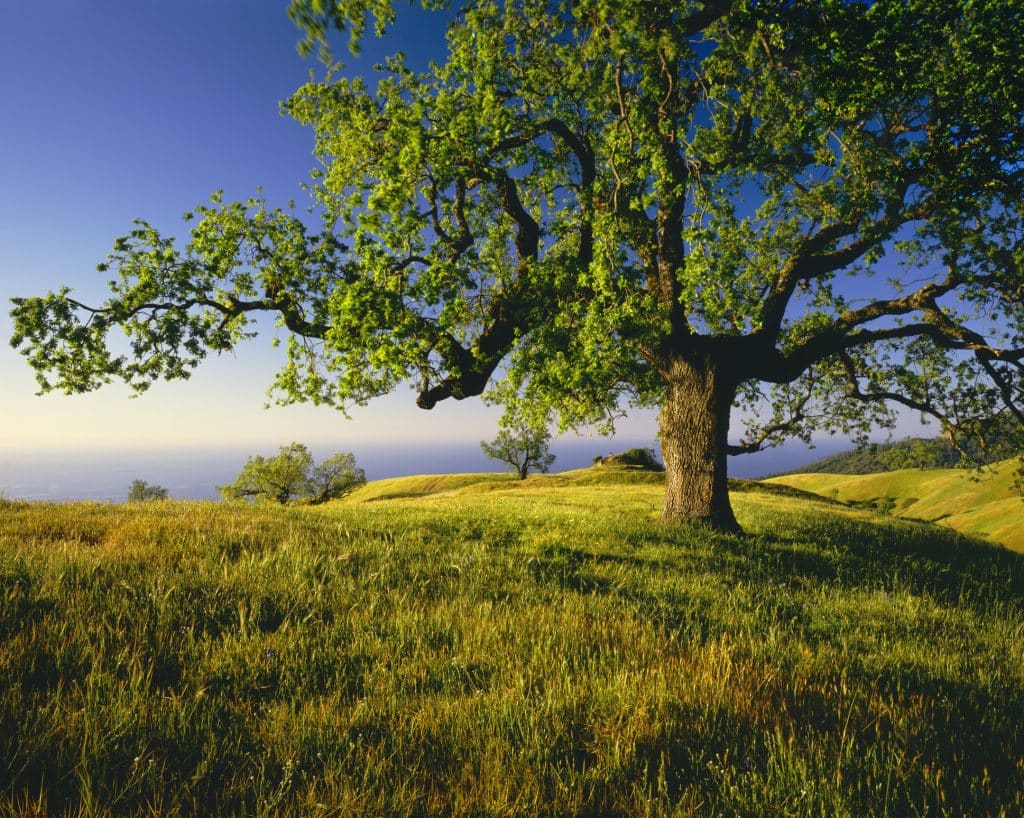
Mature trees are some of the most valuable features on your property. They provide shade, improve curb appeal, increase property value, and create healthier outdoor spaces. While they often appear strong and self-sufficient, even large established trees can struggle during prolonged California heat waves.
In Sonoma County and throughout Northern California, extended periods of extreme heat combined with dry soil can place significant stress on mature trees. Without enough available moisture, trees may begin to decline long before visible symptoms appear.
Understanding why mature trees need extra water and how to provide it correctly can help protect these valuable assets for years to come.
Why Heat Waves Are Hard on Mature Trees
Many homeowners assume older trees no longer need supplemental watering because their roots are well established. While mature trees do have extensive root systems, they still depend on adequate soil moisture to transport water and nutrients throughout the canopy.
During a heat wave:
- Soil dries out much faster.
- Trees lose more water through transpiration.
- High temperatures increase water demand.
- Dry, compacted soil limits moisture absorption.
When these conditions persist for several days or weeks, mature trees can become dehydrated even if they looked perfectly healthy beforehand.
Bigger Trees Have Bigger Water Needs
Large trees require significantly more water than younger trees simply because they support much more living tissue.
Every leaf in the canopy depends on water moving upward from the roots. During periods of extreme heat, a mature oak, maple, sycamore, or redwood may lose hundreds of gallons of water each day through normal transpiration.
If the surrounding soil cannot replenish that moisture, the tree begins conserving resources by slowing growth and reducing water movement throughout the canopy.
Over time, this stress weakens the tree and makes it more susceptible to additional problems.
Heat Stress Can Lead to Long-Term Tree Health Problems
One hot week typically won’t kill a healthy mature tree. However, repeated heat waves combined with drought conditions can gradually reduce tree health.
Heat-stressed trees are more vulnerable to:
- Insect infestations
- Bark beetles
- Opportunistic fungal diseases
- Branch dieback
- Premature leaf drop
- Reduced growth
- Root damage
Trees already dealing with construction impacts, compacted soil, pruning wounds, or previous drought damage are especially vulnerable.
Signs Your Mature Tree May Need More Water
Many symptoms develop gradually, making them easy to overlook.
Watch for signs such as:
- Wilting or curling leaves
- Yellowing foliage
- Early leaf drop
- Thinning canopy
- Browning leaf edges
- Small or undersized leaves
- Dead twigs or branch tips
- Increased deadwood
Some species may not show obvious symptoms until significant stress has already occurred.
Professional arborist inspections can often identify heat-related stress before permanent damage develops.
How to Water Mature Trees Properly
When watering mature trees, the goal is to soak the root zone deeply rather than watering frequently at the trunk.
Water the Entire Root Zone
Most absorbing roots are located well beyond the trunk, often extending to the drip line and farther.
Apply water over a wide area beneath the canopy rather than concentrating it at the base of the tree.
Water Deeply
Slow, deep watering encourages moisture to penetrate into the soil where roots can access it.
Shallow watering often evaporates quickly and provides little long-term benefit during hot weather.
Water Early or Late
The best time to water is:
- Early morning
- Late evening
This reduces evaporation and allows more water to soak into the soil.
Don’t Water Every Day
Frequent light watering keeps moisture near the surface and encourages shallow root growth.
Instead, provide thorough soakings that allow water to penetrate deeply into the root zone.
The ideal frequency depends on:
- Soil type
- Tree species
- Tree size
- Temperature
- Recent rainfall
Mulch Helps Trees Handle Extreme Heat
One of the easiest ways to improve soil moisture is by applying organic mulch.
Proper mulch helps:
- Reduce evaporation
- Moderate soil temperatures
- Improve soil structure
- Retain moisture longer
- Protect surface roots
Apply 2 to 4 inches of mulch around the root zone while keeping it several inches away from the trunk.
Professional Tree Care Can Improve Heat Resilience
Some trees need more than supplemental watering.
If a mature tree is already under stress, professional tree care can improve its ability to withstand extreme summer conditions.
An arborist can evaluate:
- Soil moisture conditions
- Root health
- Overall tree vigor
- Existing drought damage
- Structural concerns
- Pest activity
Depending on the tree’s condition, treatments such as deep root fertilization, biohydration, soil improvement, or corrective pruning may help support long-term health.
Protect Your Mature Trees Before Heat Damage Becomes Permanent
California summers continue to bring longer periods of high temperatures and dry conditions. While mature trees are remarkably resilient, they still need adequate moisture to remain healthy.
Providing proper deep watering before and during heat waves can reduce stress, preserve canopy health, and help prevent costly problems later.
If you’re unsure whether your mature trees are receiving enough water, a professional arborist can evaluate their condition and recommend the right care for your property.
At Image Tree Pros, we provide expert tree health evaluations, deep root care, pruning, and long-term tree management for residential, commercial, and municipal properties throughout Sonoma County and Northern California. Our experienced arborists help protect mature trees so they continue providing beauty, shade, and value for years to come.
Frequently Asked Questions
Do mature trees need watering during California heat waves?
Yes. Even well-established trees can become stressed during extended periods of extreme heat, especially when rainfall has been limited.
How often should I water a mature tree during hot weather?
It depends on the tree species, soil type, and weather conditions. Most mature trees benefit more from occasional deep watering than frequent shallow watering.
Can too little water damage a mature tree?
Yes. Chronic drought stress can weaken trees, increase susceptibility to pests and disease, and contribute to branch dieback and canopy decline.
Should I water directly at the trunk?
No. Most absorbing roots are located throughout the root zone beneath the canopy, not immediately next to the trunk.
When should I call an arborist?
If your tree shows signs of thinning foliage, dead branches, early leaf drop, or appears stressed during summer, it’s a good idea to have it evaluated before the damage becomes more severe.
Protect Your Mature Trees Before Heat Stress Takes Its Toll
California heat waves can have lasting effects on even the healthiest mature trees. If you’re concerned about drought stress or want to help your trees thrive through the hottest months of the year, the team at Image Tree Pros can help.
Contact us today to schedule a professional tree health evaluation and receive expert recommendations tailored to your property’s trees. Our experienced arborists proudly serve homeowners, businesses, and municipalities throughout Sonoma County and Northern California.